







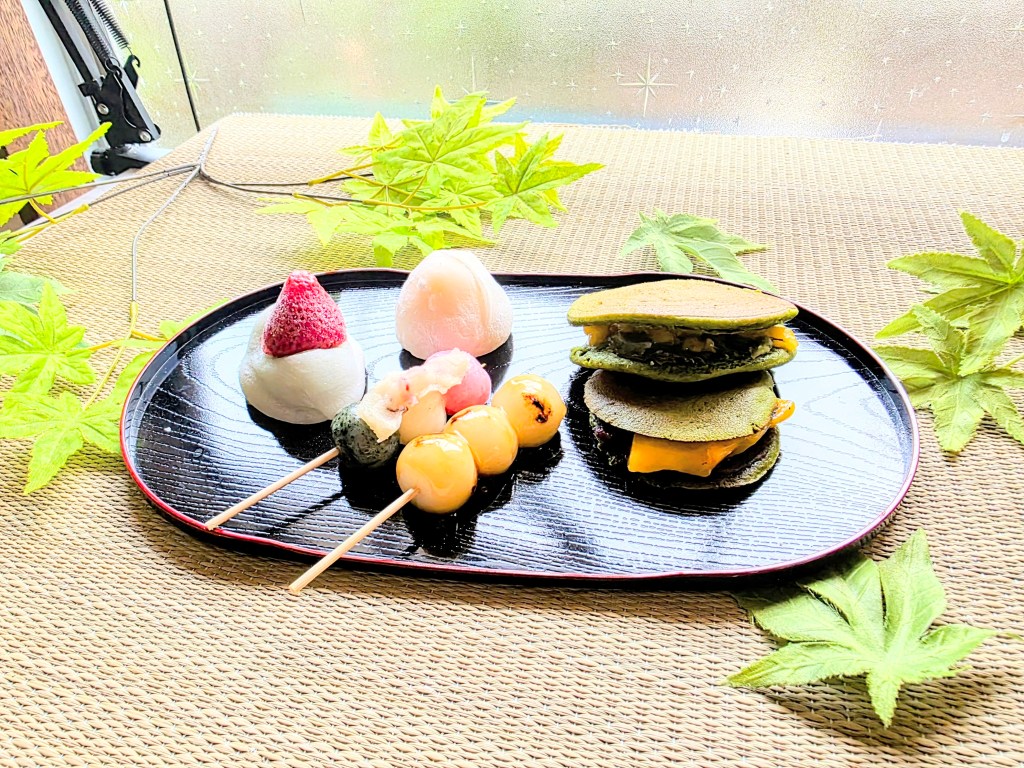

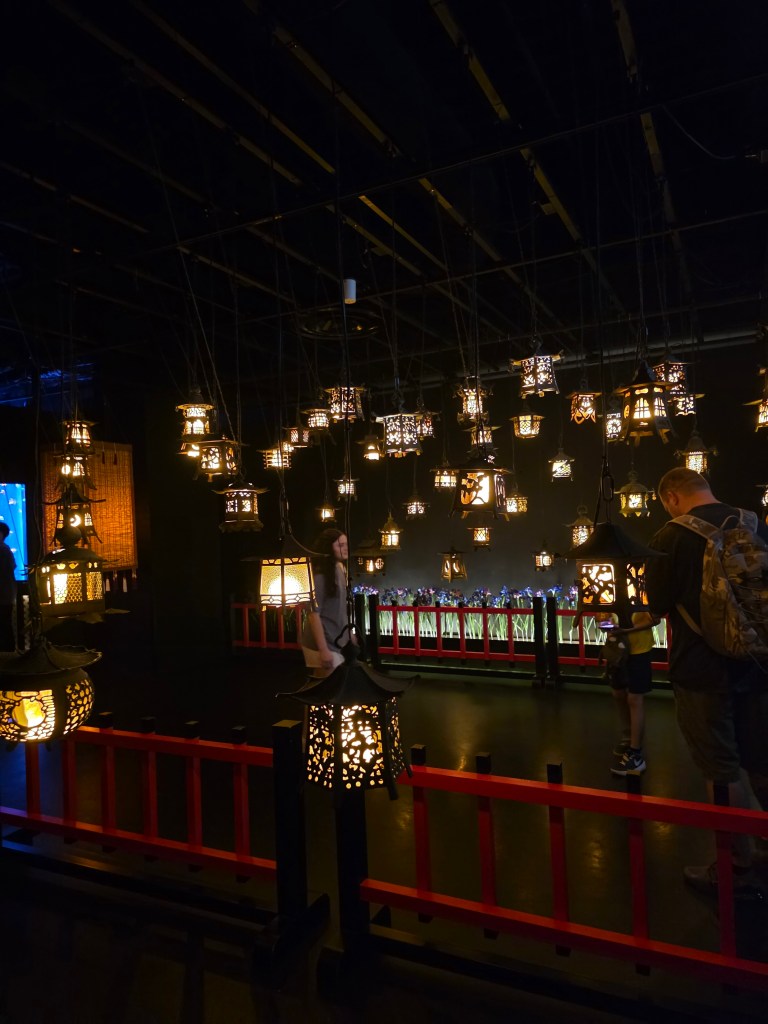




Are you tired of vacations that feel more like checking boxes on a generic itinerary? You're not alone. More travelers in 2026 are seeking something deeper, something that transforms the way they see the world and themselves. An experience trip isn't just about visiting a destination-it's about truly living it. Whether you're learning to make pasta in a Tuscan farmhouse, tracking wildlife in Costa Rica's cloud forests, or joining a local family for a traditional meal in Morocco, these journeys create memories that last far longer than any photo ever could.
What Makes an Experience Trip Different
Let's start with what sets an experience trip apart from traditional vacations. Think about your last typical beach resort stay. You probably relaxed poolside, enjoyed a few excursions, and came home with a tan. Nothing wrong with that, but did you really connect with the destination?
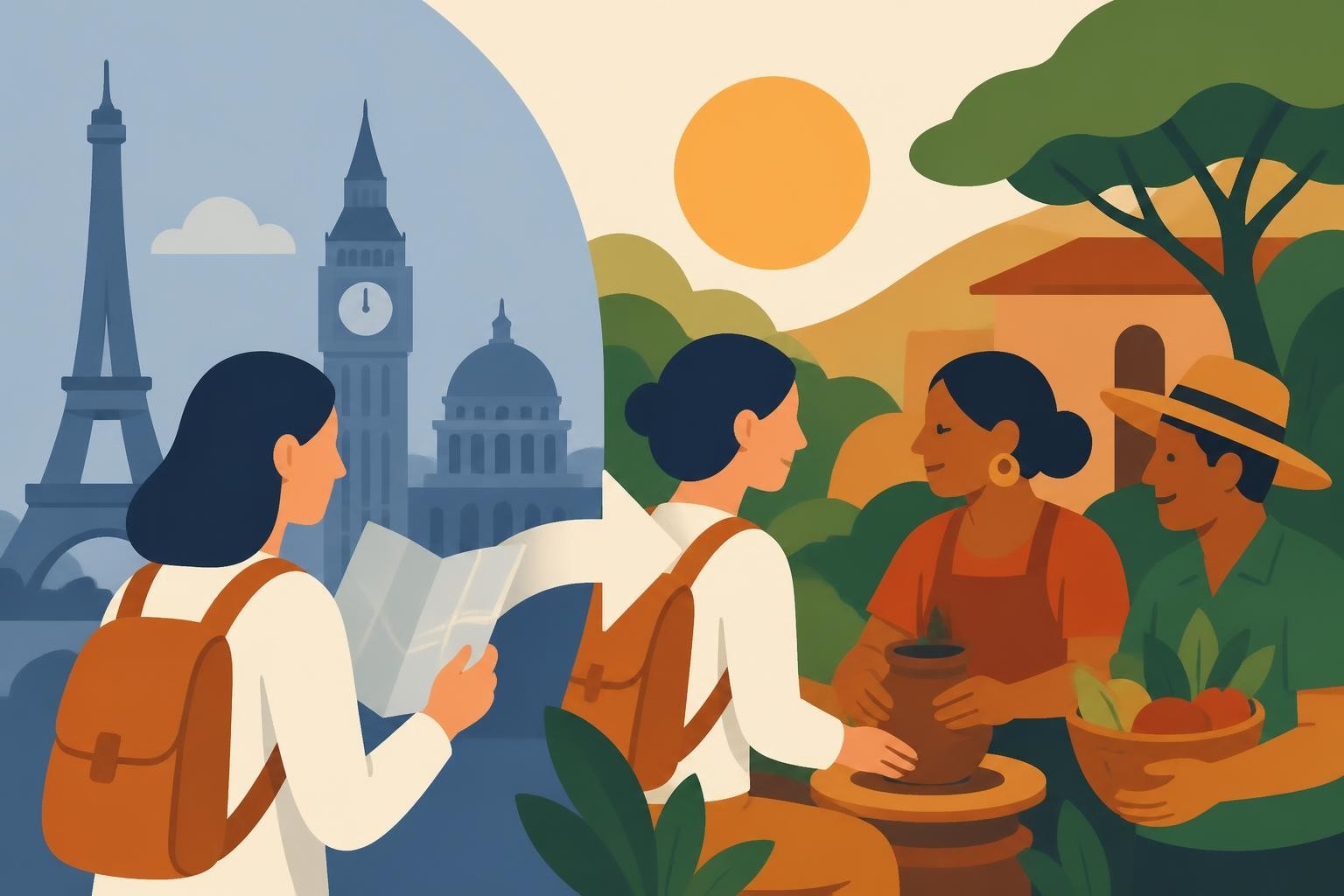
An experience trip flips that script entirely. These journeys prioritize immersion over observation. You're not just looking at a culture from the outside-you're stepping into it. According to Skift Research’s State of Travel 2025, experience-driven travel has become one of the fastest-growing segments in tourism, with travelers increasingly valuing authenticity and personal transformation over traditional luxury amenities.
Core Elements of Experiential Travel
What actually defines this type of journey? Here are the key components:
- Active participation in local traditions, crafts, or daily life
- Cultural immersion through language, cuisine, and community interaction
- Personal growth opportunities that challenge and expand your perspective
- Authentic connections with local people and their stories
- Meaningful impact that benefits both you and the communities you visit
The difference becomes clear when you compare approaches. A standard trip might include a bus tour past a historic market. An experience trip has you shopping alongside locals, learning ingredient names, and preparing a meal with a family chef.

Types of Experience Trips Worth Considering
You might be wondering what options exist beyond the obvious cooking classes and cultural tours. The beauty of experiential travel is its incredible variety. Let's explore some popular categories that might spark your imagination.
Adventure and Wilderness Experiences
These trips combine physical challenge with natural immersion. Think multi-day treks through Patagonia, scuba diving certifications in pristine coral reefs, or dog sledding adventures in the Arctic. National Geographic highlights innovative adventure experiences that push boundaries while respecting ecosystems.
The physical element matters here. You're not just seeing nature-you're moving through it, feeling it, becoming part of its rhythm.
Cultural Immersion Programs
Want to understand a place from the inside? Cultural immersion programs place you directly within communities. You might stay with a host family in rural Japan, learn traditional weaving from indigenous artisans in Guatemala, or participate in harvest festivals in rural Italy.
These experiences often include:
- Homestays that provide authentic daily life perspectives
- Language exchange opportunities with native speakers
- Traditional craft workshops led by master artisans
- Community service projects that give back meaningfully
- Spiritual or ceremonial participation (when respectfully invited)
Culinary and Gastronomic Journeys
Food tells a culture's story better than almost anything else. Culinary experience trips take you beyond restaurant dining into kitchens, markets, farms, and family tables. You're foraging for ingredients, learning regional techniques, understanding the agricultural traditions that shape local cuisine.
| Experience Type | Duration | Intensity Level | Best For |
|---|---|---|---|
| Market-to-Table Workshops | Half-day | Light | Beginners, families |
| Multi-Day Cooking Retreats | 3-7 days | Moderate | Food enthusiasts |
| Agritourism Farm Stays | 1-2 weeks | Moderate-High | Hands-on learners |
| Culinary Expeditions | 1-3 weeks | High | Serious foodies |
Wellness and Transformation Retreats
Sometimes an experience trip focuses inward. Wellness retreats combine destination beauty with personal development-yoga in Bali, meditation in Buddhist monasteries, healing therapies in thermal springs. These journeys prioritize mental, physical, and spiritual renewal.
The UNESCO guidance on culture-driven sustainable tourism emphasizes how meaningful travel experiences can promote both personal wellbeing and cultural preservation.
Planning Your First Experience Trip
Ready to move from dreaming to planning? Let's break down how to actually make this happen. The planning process differs significantly from booking a standard vacation package.
Defining Your Experience Goals
Before you search destinations, ask yourself what you want to gain. Are you seeking adventure and adrenaline? Cultural understanding? Skill development? Personal reflection? Your answer shapes everything that follows.
Consider these questions:
- What do you want to learn or discover?
- How do you want to feel during and after this trip?
- What would make this journey truly transformative for you?
- Are you traveling solo, with a partner, or with family?
- What's your comfort level with language barriers and unfamiliar situations?
Be honest about your expectations. An experience trip should stretch you, but not break you. Finding that sweet spot between challenge and comfort creates the most rewarding journeys.
Choosing the Right Destination and Experience
Once you've clarified your goals, match them to destinations and programs. Research is crucial here, and that's where expert guidance makes a massive difference. Not every "authentic experience" delivers what it promises.
Look for programs that demonstrate:
- Community involvement and fair compensation for local guides
- Small group sizes that allow meaningful interaction
- Flexibility to adapt based on weather, interests, or unexpected opportunities
- Safety protocols appropriate to the activity level
- Cultural sensitivity training or briefings
Working with a knowledgeable travel advisor who specializes in personalized experiences can save you from disappointing mismatches. Travel Planning services help you compare programs, understand what to expect, and ensure your experience trip aligns with your actual interests and abilities-not just an idealized Instagram version of adventure.

Timing and Logistics That Matter
Experience trips often require more careful timing than resort vacations. Harvest seasons, weather patterns, festival dates, and wildlife migrations all affect what's possible when.
Seasonal considerations include:
- Agricultural experiences tied to planting or harvest cycles
- Wildlife viewing dependent on migration or breeding seasons
- Weather windows for outdoor adventures
- Cultural festivals or ceremonies (some open to visitors, some private)
- Monsoon seasons, hurricane periods, or extreme temperatures
Don't forget practical logistics. Many experiential programs require:
- Advanced booking (often 6-12 months ahead for popular programs)
- Physical health clearances for adventure activities
- Specific vaccinations beyond standard travel requirements
- Travel insurance covering adventurous activities
- Specialized gear or clothing for certain experiences
The CDC’s health guidance for travelers provides essential safety information for planning adventure-focused experience trips.

Making the Most of Your Experience Trip
You've planned it, booked it, and packed your bags. Now comes the actual journey. How do you ensure you're fully present and engaged rather than distracted or overwhelmed?
Embracing the Mindset of Openness
The most profound experience trips happen when you release rigid expectations. Yes, have a plan, but hold it loosely. Some of the best moments emerge from unexpected detours.
Practice saying "yes" to unfamiliar foods, invitations from locals, and activities that initially feel uncomfortable. That's where growth lives. At the same time, know your genuine limits. You don't need to do everything to have an authentic experience.
Documenting Thoughtfully Without Missing the Moment
We all want photos and memories, but constantly viewing life through a phone screen defeats the purpose. Try these approaches:
- Designate specific photo times, then put the camera away
- Focus on journaling impressions and feelings, not just facts
- Record brief voice notes capturing sensory details
- Collect small physical mementos (market receipts, pressed flowers, handwritten recipes)
- Take fewer photos but be more intentional about composition
The goal is capturing memories that enhance rather than replace the actual experience.
Building Genuine Connections
Experiential travel thrives on human connection. Learn a few phrases in the local language-even poorly pronounced "please" and "thank you" show respect and effort. Ask questions with genuine curiosity. Listen more than you speak.
Respect cultural norms around:
- Photography (always ask permission for portraits)
- Physical touch and personal space
- Religious or sacred sites
- Gift-giving customs
- Meal etiquette and food restrictions
Research on experiential tourism shows that meaningful local interactions rank as the single most memorable aspect of transformative trips.
Experience Trips for Different Traveler Types
Maybe you're thinking this all sounds great for solo adventurers, but what about families? Or couples? Or groups? The truth is, experience trips adapt beautifully to different travel styles.
Family Experience Travel
Traveling with kids doesn't mean sacrificing authenticity. In fact, children often connect with experiential activities more naturally than adults. They're less self-conscious, more curious, and perfectly happy getting messy.
Family-friendly experiential options:
- Wildlife conservation programs with age-appropriate participation
- Farm stays where kids help with animal care and harvesting
- Cultural homestays in safe, welcoming communities
- Cooking classes designed for family participation
- Artisan workshops (pottery, textiles, woodworking)
The key is matching activity intensity to your children's ages and attention spans. A three-hour walking food tour might be perfect for teenagers but torture for toddlers.
Romantic Experience Trips for Couples
Looking to deepen your connection? Shared new experiences create powerful bonding opportunities. Couples report that experience trips often strengthen relationships by creating shared challenges, discoveries, and inside jokes that become part of your story together.
Consider these couple-focused experiences:
| Experience Category | Why It Works for Couples | Example Destinations |
|---|---|---|
| Wine/culinary journeys | Sensory pleasures and shared learning | Tuscany, Napa Valley, Loire Valley |
| Adventure challenges | Teamwork and accomplishment | New Zealand, Costa Rica, Iceland |
| Wellness retreats | Relaxation and reconnection | Bali, Thailand, Arizona |
| Cultural immersion | Shared discovery and perspective | Japan, Morocco, Peru |
Solo Experience Travelers
Traveling alone on an experience trip can feel intimidating, but it's also incredibly rewarding. You move at your own pace, follow your interests without compromise, and often find it easier to connect with locals and fellow travelers.
Many experiential programs specifically cater to solo travelers, creating built-in communities while still allowing personal space. Immersive accommodation options increasingly offer social spaces and shared experiences for independent travelers.
Group and Multi-Generational Trips
Traveling with extended family or friend groups? Experiential activities often work better than passive sightseeing because they accommodate different energy levels and interests. While some people cook, others might explore the market. During craft workshops, everyone participates at their own skill level.
The World Bank’s experience economy toolkit highlights how shared experiential activities create stronger memories across age groups than traditional attractions.
Responsible Experience Trip Practices
Here's something we need to talk about: not all "authentic experiences" actually benefit local communities. Some exploit cultural traditions or create unsustainable tourism pressure. As experience trips grow more popular, traveling responsibly matters more than ever.
Supporting Community-Based Tourism
Look for programs that are owned, operated, or meaningfully partnered with local communities. The UNWTO’s Best Tourism Villages criteria outline standards for sustainable, community-engaged experiential tourism.
Ask these questions before booking:
- Who owns and profits from this experience?
- Are local guides fairly compensated?
- Does this program support local economies or extract value?
- What percentage of fees stay in the community?
- How does this experience impact daily life for residents?
Environmental Considerations
Your experience trip should enrich, not damage, the environments you visit. Choose programs committed to:
- Minimizing waste and carbon footprint
- Protecting wildlife and natural habitats
- Supporting conservation efforts financially
- Following leave-no-trace principles
- Educating participants about environmental stewardship
Adventure activities deserve special scrutiny. Is that jungle zipline damaging forest canopy? Does the wildlife encounter stress animals for tourist entertainment? Responsible operators prioritize ecology over profit.
Cultural Respect and Humility
You're a guest. That means approaching every experience with humility and respect. Cultural immersion shouldn't feel like voyeurism or consumption. It should involve genuine exchange, mutual learning, and appreciation.
Avoid programs that:
- Commodify sacred traditions or ceremonies
- Encourage inappropriate or disrespectful behavior
- Present cultures as museum exhibits rather than living communities
- Promote stereotypes or "poverty tourism"
- Lack meaningful input from the communities being "experienced"
The Long-Term Impact of Experience Trips
What happens when you return home? Do these trips create lasting change, or are they just expensive vacations with better stories?
Research consistently shows that well-designed experience trips can fundamentally shift perspectives. People report increased empathy, broader worldviews, deeper appreciation for cultural diversity, and renewed gratitude for their own lives.
But here's the real magic: experience trips often inspire continued engagement. Maybe you return to study that language you barely managed during your homestay. Perhaps you support artisan cooperatives you visited. You might completely change career directions based on connections made during your journey.
The memories matter less than the person you become through those experiences. That's not hyperbole-it's the documented transformative power of thoughtful, immersive travel.
Bringing Experience Home
The best experience trips don't end when you board your flight home. Find ways to integrate what you learned into daily life:
- Practice recipes from your culinary journey
- Continue language learning
- Support fair trade organizations from regions you visited
- Share stories (thoughtfully) that educate others
- Advocate for communities or causes you connected with
- Apply skills or perspectives gained to your work or relationships
Some travelers make experience trips an annual practice, each one building on previous journeys. Others become so transformed they fundamentally redesign their lives around these values.
Planning an experience trip requires more thought than booking a standard vacation, but the rewards extend far beyond a week of enjoyment. These transformative journeys create memories, skills, and perspectives that shape how you see the world and your place in it. If you're ready to move beyond typical tourism and create truly meaningful travel memories, Travel with Sarah provides the personalized guidance to match you with experiences that align with your interests, abilities, and goals-so you can feel confident and excited as you embark on your next adventure.
Leave a Reply