
















You've been dreaming about it for months, maybe even years. That incredible trip to a destination you've always wanted to explore. Whether it's a tropical beach, a European adventure, or a cultural immersion halfway around the world, the excitement of planning travel is undeniable. But let's be honest-somewhere between choosing your destination and actually packing your bags, the process can feel overwhelming. How do you turn your travel dreams into reality without the stress? Let's walk through this together.
Understanding What Makes Your Trip Special
Not every vacation is created equal, and your trip to anywhere should reflect what matters most to you. Are you seeking relaxation on a pristine beach? Adventure in the mountains? Cultural experiences in ancient cities? Family bonding time at a resort with activities for all ages?
Here's the thing: understanding your travel style is the foundation of great planning.
Identifying Your Travel Priorities
Before you dive into researching destinations and accommodations, take a moment to clarify what you actually want from this experience. This simple step saves countless hours of confusion later.
Key questions to ask yourself:
- What's your primary goal-rest, adventure, culture, or connection?
- Who's traveling with you, and what are their needs?
- What's your comfortable budget range?
- How much planning do you enjoy versus how much you'd rather delegate?
- What time of year works best for your schedule?
Once you've answered these questions, you'll have a clearer picture of the type of trip to plan. A couple seeking romance will have different priorities than a family with young children or a group of friends celebrating a milestone.

Choosing the Right Destination for Your Vision
So you know what you want from your vacation. Now comes the exciting part: where will you go? The world offers endless possibilities, and narrowing down your options requires balancing dreams with practical considerations.
Matching Destinations to Your Travel Style
Every destination has a personality. Some places are perfect for unwinding, while others energize you with constant activity and discovery. Think about what genuinely appeals to you, not just what looks good on Instagram.
| Destination Type | Best For | Typical Activities | Ideal Travelers |
|---|---|---|---|
| Beach Resorts | Relaxation, water sports | Swimming, spa, water activities | Couples, families, honeymooners |
| European Cities | Culture, history, food | Museums, walking tours, dining | Couples, solo, groups |
| Cruise Itineraries | Multiple destinations | Shore excursions, onboard entertainment | All ages, multi-generational |
| Adventure Destinations | Active exploration | Hiking, wildlife, outdoor sports | Active couples, adventure groups |
Your trip to the Caribbean will look vastly different from your trip to Italy, and that's exactly how it should be.
Seasonal Considerations Matter More Than You Think
Timing can make or break your vacation. The same destination can offer completely different experiences depending on when you visit. Weather, crowds, pricing, and local events all shift throughout the year.
Consider this: a trip to Europe in summer means longer days and vibrant energy, but also peak crowds and higher prices. Visit in shoulder season, and you'll find better deals, fewer tourists, and pleasant weather-just slightly cooler temperatures.
Seasonal factors to research:
- Weather patterns and temperature ranges
- Peak tourist season versus shoulder/off-season
- Local festivals, holidays, or special events
- Hurricane seasons (for tropical destinations)
- School vacation schedules (if traveling with kids)
Budgeting Without Sacrificing Experience
Let's talk about money. Your budget doesn't have to limit your dreams-it just shapes how you achieve them. With smart planning, you can create an incredible trip to almost anywhere without breaking the bank or feeling deprived.
Breaking Down Travel Costs
Understanding where your money goes helps you make informed decisions about where to splurge and where to save. Every trip has core expenses, and knowing these upfront prevents unwelcome surprises.
Major budget categories:
- Transportation: Flights, transfers, car rentals, trains
- Accommodations: Hotels, resorts, vacation rentals
- Meals: Dining out, groceries, special dining experiences
- Activities: Tours, excursions, entrance fees, entertainment
- Extras: Travel insurance, tips, souvenirs, miscellaneous
A well-planned trip to any destination allocates funds across these categories based on your priorities. Love food? Budget more for dining. Prefer luxury accommodations? Adjust activities accordingly.

All-Inclusive Versus À La Carte Planning
Here's where many travelers get stuck. Should you book an all-inclusive package or build your trip piece by piece? Both approaches have merits, and the right choice depends on your situation.
All-inclusive resorts and packages simplify budgeting because you know most costs upfront. Your meals, drinks, and many activities are covered. This works beautifully for families, groups, and anyone who values predictability.
Independent planning offers flexibility and potentially unique experiences. You choose exactly what you want, when you want it. This appeals to travelers who enjoy spontaneity and customization.
Many people find that working with someone who understands both approaches-like Travel with Sarah-helps them compare options objectively. Sarah's healthcare background brings exceptional organizational skills and attention to detail to vacation planning, ensuring nothing gets overlooked whether you're booking a cruise, resort package, or custom itinerary.

Creating Your Detailed Itinerary
You've chosen your destination and set your budget. Now it's time to map out what you'll actually do when you're there. This is where your trip to paradise transforms from concept to concrete plan.
Balancing Structure and Flexibility
The best itineraries provide direction without rigidity. You want enough planning to maximize your time, but enough breathing room to be spontaneous or simply rest when you need it.
Effective itinerary principles:
- Don't overpack your days – Leave downtime between activities
- Group activities geographically – Minimize unnecessary travel time
- Book popular experiences in advance – Secure must-do activities early
- Build in buffer time – Account for delays, wrong turns, and discoveries
- Plan at least one special highlight – Give each day something to anticipate
Think about pacing. A trip to a new city doesn't mean running from landmark to landmark until you're exhausted. Schedule your high-energy activities earlier in the trip when you're fresh, and allow recovery time throughout.
Pre-Booking Versus Game-Time Decisions
Some travelers meticulously book every activity months in advance. Others prefer showing up and seeing what happens. Most people thrive somewhere in the middle.
| Booking Approach | Advantages | Disadvantages | Best For |
|---|---|---|---|
| Everything Pre-Booked | Guaranteed availability, no decisions needed | Less flexibility, locked-in schedule | Peak season, popular destinations, large groups |
| Mostly Spontaneous | Maximum flexibility, room for discovery | Risk of sold-out activities, decision fatigue | Off-season, experienced travelers, flexible personalities |
| Hybrid (Recommended) | Secure key experiences, remain flexible | Requires some planning skill | Most travelers, most destinations |
For your major activities-that snorkeling excursion, the cooking class, the Broadway show-book ahead. For casual dining and smaller attractions, you can often decide day-of based on energy and weather.
Accommodation Choices That Enhance Your Experience
Where you stay significantly impacts your entire vacation. Your accommodation isn't just where you sleep-it's your home base, your retreat, and sometimes an experience in itself.
Hotel, Resort, or Vacation Rental?
Each lodging type offers distinct advantages. Your choice depends on group size, desired amenities, and how you prefer to experience your destination.
Hotels provide consistent service, daily housekeeping, and often great locations. They're ideal for shorter stays and city explorations. A trip to a metropolitan area almost always benefits from a well-located hotel.
Resorts deliver complete experiences with restaurants, pools, activities, and entertainment on-site. Perfect for relaxation-focused vacations where you want everything at your fingertips. All-inclusive resorts particularly shine for families and groups.
Vacation rentals give you space, kitchens, and a lived-in feeling. They work wonderfully for longer stays, large families, or groups who want to cook some meals and spread out.
Location Matters More Than Amenities
A beautiful room loses appeal if it's poorly located. Conversely, a simpler accommodation in a perfect location enhances every day of your trip. Think carefully about what you'll actually do during your vacation.
Beach vacation? Oceanfront or easy beach access might be worth the premium. City exploration? Proximity to attractions, restaurants, and public transportation beats a fancy room far from everything.

Transportation and Getting Around
You've arrived at your destination. Now what? How you move around can enhance your experience or create unnecessary stress. Let's think this through.
Airport Transfers and Ground Transportation
Don't overlook this detail. After a long flight, the last thing you want is confusion about how to reach your hotel. Pre-arranged transfers provide peace of mind, especially if you're arriving late or don't speak the local language.
Transportation options to consider:
- Private transfers: Door-to-door service, especially valuable for families with kids or groups
- Shared shuttles: Budget-friendly, slight less convenient with multiple stops
- Rental cars: Freedom to explore, but consider parking, traffic, and navigation challenges
- Public transportation: Economical and authentic, requires more planning and comfort with local systems
- Taxis and ride-shares: Flexible but costs add up for multiple trips
For a trip to a resort destination, you might only need transportation to and from the airport. City vacations often benefit from public transit passes or walking.
Navigating New Places With Confidence
Getting lost can be part of the adventure, but generally you'd rather spend time enjoying your destination than wandering aimlessly. A few simple strategies keep you oriented and confident.
Download offline maps before you leave. Research your neighborhood and identify nearby landmarks. Take photos of your accommodation's exterior and address. These small steps provide security and independence.
Packing Smart for Different Trip Types
What you bring shapes your comfort and capability throughout your vacation. Overpacking creates hassle. Underpacking creates frustration. The sweet spot? Strategic packing based on your specific plans.
Essential Items for Every Trip
Regardless of where you're heading, certain items prove universally valuable. Start with these basics, then customize for your destination.
Universal packing essentials:
- Travel documents: Passport, ID, booking confirmations, travel insurance details
- Medications: Prescriptions plus basic pain relievers, antihistamines, stomach remedies
- Chargers and adapters: For all devices, plus appropriate plug adapters for international travel
- Versatile clothing: Mix-and-match pieces that work in layers
- Comfortable walking shoes: Even beach vacations involve more walking than you expect
Your trip to tropical destinations needs sun protection, lightweight breathable fabrics, and swimwear. Cold-weather destinations require layering pieces, warm accessories, and weatherproof outerwear.
The Carry-On Essentials Rule
Always pack one complete outfit plus essentials in your carry-on. If checked luggage gets delayed, you'll still have what you need for at least a day. Include medications, chargers, and anything irreplaceable or time-sensitive.
This simple precaution has saved countless vacations from starting with stress and frustration.
Making the Most of Your Time Away
You've planned, booked, packed, and arrived. The actual vacation is finally here. How do you ensure these precious days deliver the rejuvenation, adventure, or connection you've been anticipating?
Staying Present and Flexible
Ironically, great planning allows you to stop planning once you arrive. You've done the work upfront, so now you can relax into the experience. Your itinerary is a guide, not a mandate.
Weather changes plans. You discover an unexpected local event. A casual conversation with locals reveals a hidden gem. The best trip to anywhere includes room for these spontaneous moments that often become your favorite memories.
Ways to enhance presence during your vacation:
- Limit work email checking to specific, brief times
- Put your phone down during meals and special activities
- Take photos, but don't experience everything through a screen
- Say yes to unexpected opportunities
- Rest when you're tired instead of pushing through
Capturing Memories Without Missing Moments
You'll want to remember this experience, and photos help preserve those memories. But there's a balance between documentation and participation. Take your photos, then put the camera away and immerse yourself fully.
Consider designating one person as photographer for specific activities, rotating the role so everyone appears in some pictures. Or use a tripod and self-timer for group shots. Simple solutions keep everyone engaged while still creating a visual record.
Handling Common Travel Challenges
Even well-planned trips encounter hiccups. Flight delays happen. Weather doesn't cooperate. Restaurants you wanted to try are fully booked. How you handle these moments determines whether they become disasters or minor inconveniences.
Problem-Solving Strategies That Work
Flexibility and perspective are your greatest assets when things go sideways. Most travel problems have solutions if you stay calm and creative.
Common challenges and quick solutions:
| Challenge | Practical Response | Prevention Strategy |
|---|---|---|
| Flight delay/cancellation | Know airline policies, have backup plans | Travel insurance, morning flights |
| Lost luggage | Carry-on essentials, file claim immediately | Pack valuables in carry-on |
| Overbooked hotel | Request comparable accommodation, compensation | Confirm reservation 24hrs prior |
| Bad weather | Indoor backup activities, flexible scheduling | Research seasonal patterns |
| Language barriers | Translation apps, patience, visual communication | Learn basic phrases beforehand |
Remember: how you respond to challenges affects everyone traveling with you. Stay positive, model problem-solving, and often these obstacles become funny stories later.
Building Travel Confidence for Future Adventures
Each trip to a new destination builds your travel skills and confidence. You learn what works for you, what doesn't, and how to plan even better next time. This experiential knowledge is invaluable.
Reflecting and Improving Your Planning Process
After you return home (and recover from jet lag), take time to reflect on what worked well and what you'd do differently. This informal review improves every future vacation.
Questions for post-trip reflection:
- Which pre-booked activities were worth it?
- What spontaneous decisions enhanced the trip?
- Did you pack anything you never used?
- Was your accommodation well-suited to your needs?
- How was your balance of activity and rest?
- What would you tell a friend planning a similar trip?
These insights become your personalized travel planning guide. You'll make better decisions faster when planning your next adventure, whether it's a trip to somewhere completely new or a return to a beloved destination.
Growing Your Travel Aspirations
Successful trips inspire future adventures. That cruise introduced you to ports you now want to explore in depth. Your European city break revealed how much you enjoy cultural immersion. Your all-inclusive resort reminded you how good complete relaxation feels.
Let each journey inform the next. Your travel style will evolve as you gain experience and as your life circumstances change. What worked perfectly for a romantic couple's getaway might need adjustment for a family trip. What thrilled you in your twenties might feel different in your fifties.
The beauty of travel is that there's always somewhere new to explore, some new way to experience the world. Every trip to anywhere is both its own complete experience and preparation for the next adventure.
Leveraging Expert Guidance for Stress-Free Planning
Here's something many travelers discover too late: you don't have to figure everything out alone. The research, comparison shopping, coordination, and detail management that goes into planning a great vacation can be time-consuming and overwhelming.
Working with someone who specializes in travel planning means you benefit from their experience, connections, and problem-solving skills. They've already researched what you're trying to figure out. They know which cruise lines suit which travelers, which resorts deliver on their promises, which tour companies provide exceptional value.
This guidance is particularly valuable when planning more complex trips-multi-generational family vacations, group travel, milestone celebrations, or your first trip to an unfamiliar destination type. The right advisor saves you time, reduces stress, and often helps you discover options you wouldn't have found independently.
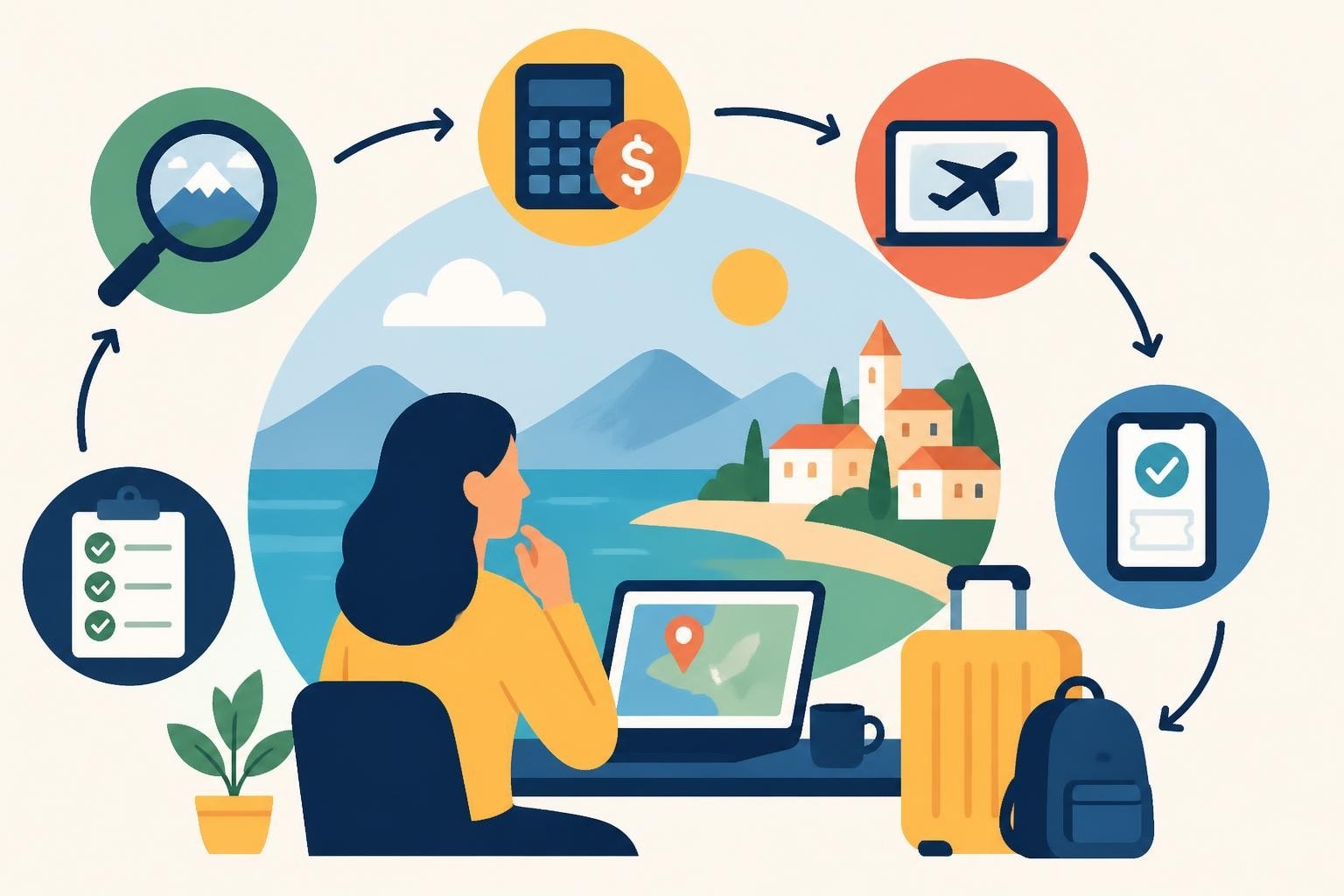
Planning a memorable trip to anywhere becomes manageable when you break it into clear steps: understand your priorities, choose the right destination, budget wisely, create a balanced itinerary, and stay flexible once you arrive. Whether you're dreaming of cruises, all-inclusive resorts, guided tours, or custom adventures, the key is matching your planning approach to your travel style and needs. If you're ready to turn your travel dreams into reality without the overwhelm, Travel with Sarah provides personalized guidance to help you compare options, make confident decisions, and look forward to your vacation instead of stressing about the details.
Leave a Reply