









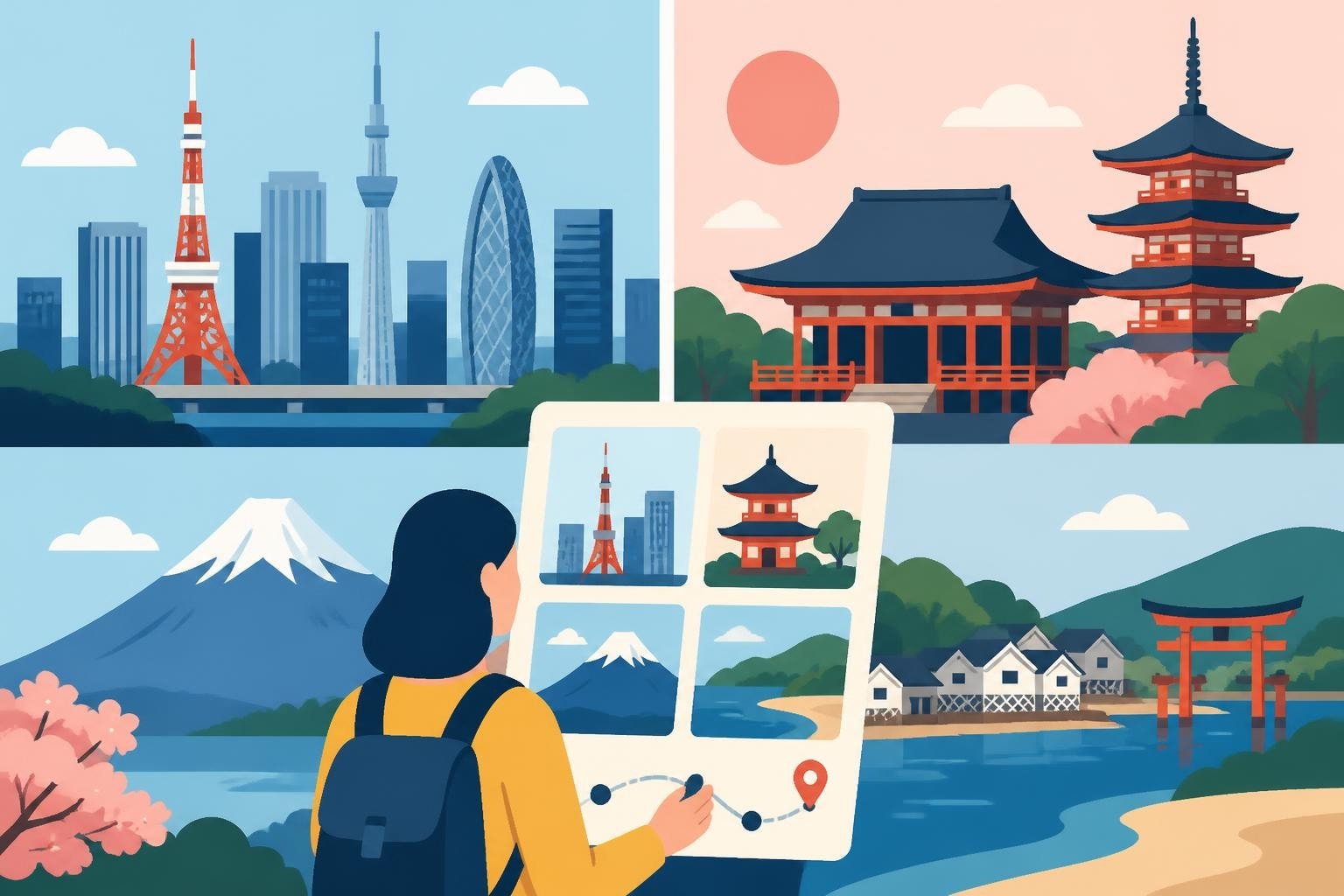
Have you ever dreamed of walking through ancient temples, tasting authentic ramen from a street vendor, or watching cherry blossoms fall in springtime? Japan is more than just a travel destination-it's an experience that transforms how you see the world. Whether you're planning your first visit or returning for another adventure, choosing Japan as your destination opens doors to incredible cultural encounters, breathtaking landscapes, and memories that last a lifetime. But with so many regions, cities, and experiences to consider, where do you even begin?
Why Choose Japan as Your Travel Destination
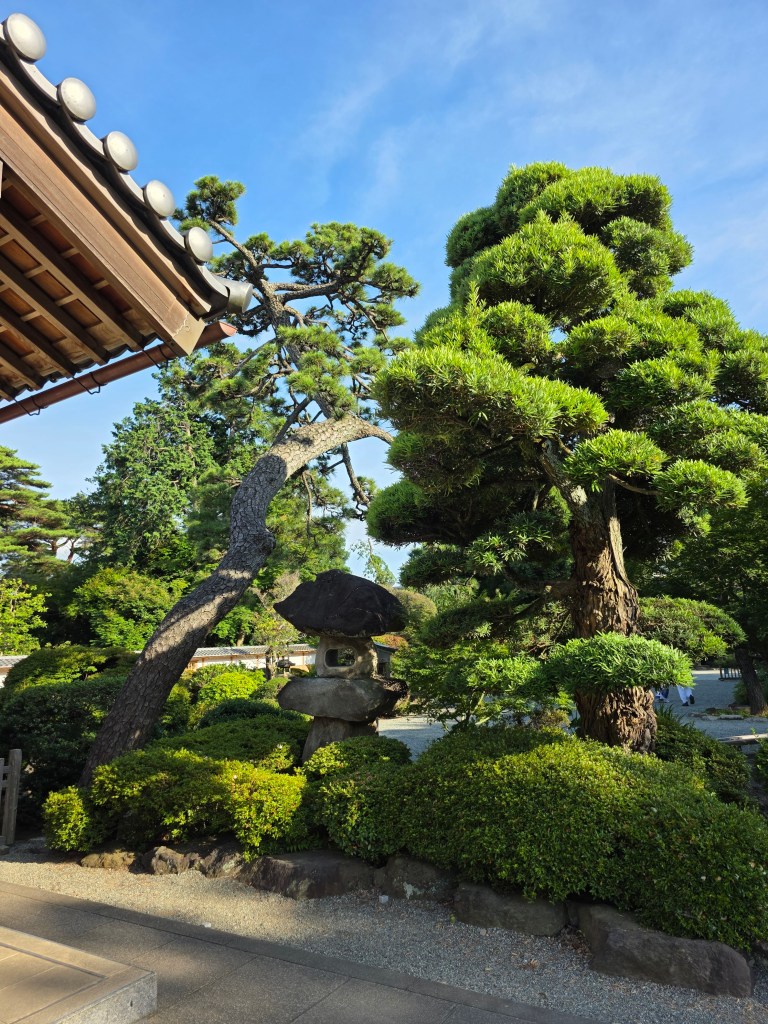
Japan offers something truly special for every type of traveler. You might be drawn to the neon lights and cutting-edge technology of Tokyo, or perhaps you're seeking the peaceful gardens and historic temples of Kyoto. Maybe you're a foodie ready to explore everything from Michelin-starred restaurants to tiny izakayas hidden in back alleys.
What makes this Japan destination so compelling is the seamless blend of ancient traditions and modern innovation. You can visit a 1,000-year-old shrine in the morning and experience a futuristic robot restaurant by evening. The country's commitment to hospitality-what locals call "omotenashi"-means you'll feel welcomed and cared for throughout your journey, even if you don't speak Japanese.
Understanding Japan's Regional Diversity
When planning your Japan destination experience, it's essential to understand that each region offers distinct characteristics. The Japan National Tourism Organization provides comprehensive resources to help you explore these differences, but let me break down what makes each area unique.
Northern Japan (Hokkaido and Tohoku)
- Winter sports and powder snow
- Fresh seafood and dairy products
- Rugged natural landscapes
- Traditional festivals celebrating local culture
Central Japan (Kanto, Chubu, Kansai)
- Major cities like Tokyo, Osaka, and Kyoto
- Historical landmarks and UNESCO sites
- Business hubs and entertainment districts
- Mountain ranges including the Japanese Alps
Western and Southern Japan (Chugoku, Shikoku, Kyushu, Okinawa)
- Tropical beaches and subtropical climate
- Historical significance and war memorials
- Hot spring resorts
- Island hopping opportunities

Planning Your Japan Destination Experience by Season
Timing matters enormously when you're planning a trip to Japan. Each season transforms the landscape and creates entirely different travel experiences. Have you thought about when you'd like to visit?
Spring: Cherry Blossom Season
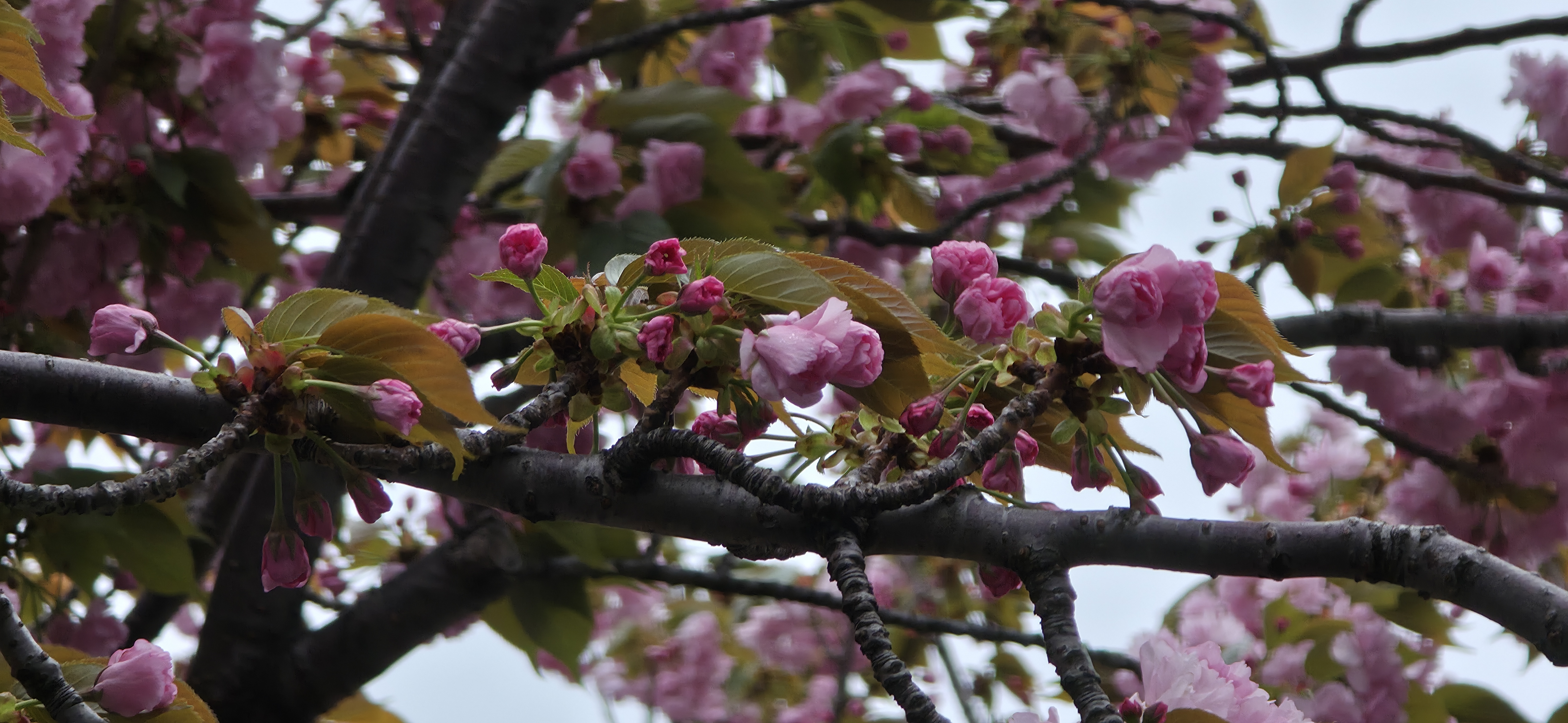
Spring is perhaps the most famous time to visit this Japan destination. Cherry blossom season typically runs from late March through early May, though exact timing varies by region. Tokyo and Kyoto bloom earlier, while northern areas like Hokkaido don't see their peak until late April or early May.
Beyond the iconic sakura viewing, spring offers comfortable temperatures perfect for walking tours and outdoor exploration. You'll also find fewer crowds than you might expect-except during Golden Week (late April/early May), when Japanese holidays create peak domestic travel.
Summer: Festivals and Mountain Escapes
Summer brings vibrant festivals, fireworks displays, and opportunities to escape the heat in mountainous regions. The Tohoku region’s summer festivals are particularly spectacular, featuring massive floats and traditional performances.
Yes, it gets hot and humid in most cities during July and August. But this is also when you can experience the Japan Alps at their most accessible, with hiking trails fully open and mountain huts welcoming overnight guests.
Fall: Autumn Foliage and Harvest
If you're asking me which season I recommend most, fall might just edge ahead. The autumn foliage rivals spring's cherry blossoms for sheer beauty, painting temples and gardens in brilliant reds, oranges, and golds. Food lovers will appreciate harvest season bringing chestnuts, persimmons, and matsutake mushrooms to market.
| Season | Best For | Potential Challenges | Ideal Destinations |
|---|---|---|---|
| Spring | Cherry blossoms, mild weather | Crowds during Golden Week | Tokyo, Kyoto, Nara |
| Summer | Festivals, mountain hiking | Heat and humidity | Hokkaido, Japanese Alps |
| Fall | Autumn colors, comfortable temps | Higher accommodation prices | Kyoto, Nikko, Kamikura |
| Winter | Snow sports, hot springs | Cold weather, some closures | Hokkaido, Nagano, Hakone |
Must-Visit Cities for Your Japan Destination Itinerary
Let's talk about the cities that should be on your radar. While Japan has countless worthy destinations, some places offer especially rich experiences for first-time or returning visitors.
Tokyo: Where Tradition Meets Tomorrow
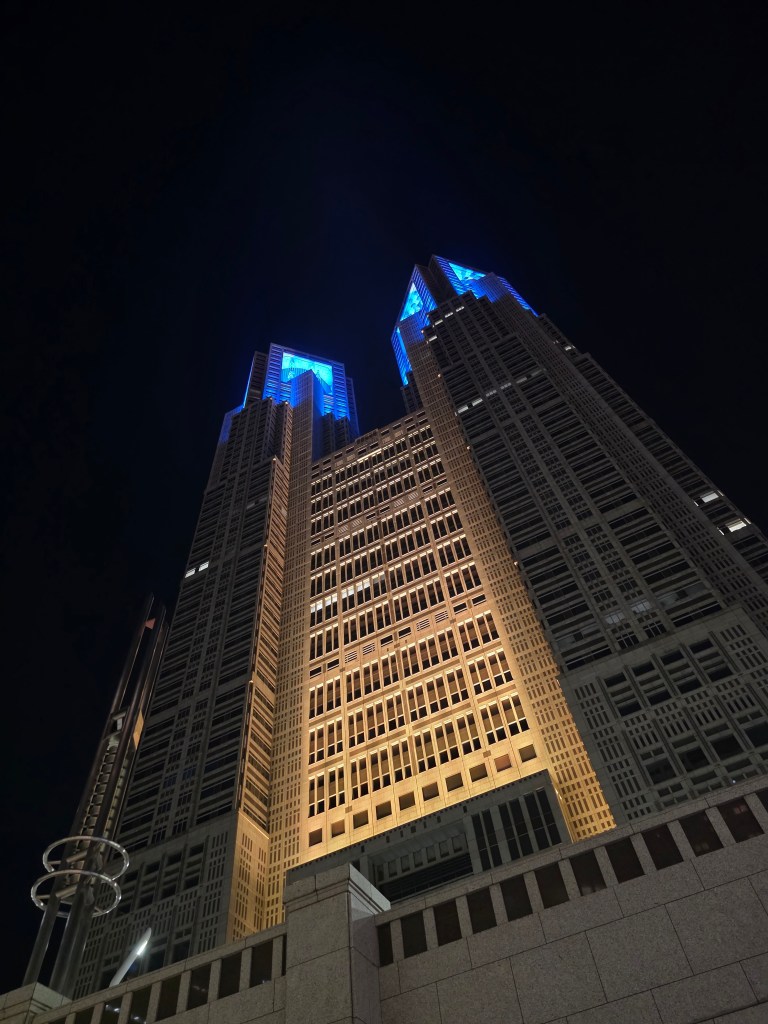
Tokyo isn't just Japan's capital-it's a collection of distinct neighborhoods, each with its own personality. Shibuya pulses with youth culture and fashion. Asakusa preserves Edo-period charm around Sensoji Temple. Tsukiji Outer Market still serves incredible sushi for breakfast.
You could spend weeks in Tokyo and barely scratch the surface. The city rewards exploration, whether you're hunting for vintage vinyl in Shimokitazawa, admiring art in Roppongi, or simply getting wonderfully lost in the backstreets of Shinjuku.
Kyoto: The Cultural Heart
If Tokyo represents Japan's future, Kyoto embodies its soul. This former imperial capital holds over 2,000 temples and shrines, along with traditional geisha districts, bamboo forests, and perfectly manicured gardens.
The Kansai region guide shows how Kyoto serves as a perfect base for exploring nearby Osaka and Nara as well. You can experience three distinct cities within an hour's train ride, each offering completely different atmospheres and attractions.
Osaka: Japan's Kitchen
Osaka earns its nickname through an incredible food scene that's more casual and street-focused than Tokyo's. Takoyaki (octopus balls) and okonomiyaki (savory pancakes) are local specialties you'll find everywhere. The Dotonbori district buzzes with neon signs, restaurants, and nightlife that gives you a different perspective on Japanese urban culture.

Regional Destinations Worth the Journey
Ready to venture beyond the main tourist circuit? These regional destinations offer rewards for travelers willing to explore further.
Hokkaido: Northern Wilderness
Hokkaido’s natural beauty stands apart from the rest of Japan. Sapporo hosts one of the world's most famous snow festivals every February. Niseko attracts powder hounds from around the globe. And the island's seafood-particularly crab, sea urchin, and salmon-is legendary.
Summer in Hokkaido means lavender fields, fresh dairy products, and escaping the oppressive heat that blankets the rest of the country. It's like discovering a completely different Japan.
Okinawa: Tropical Paradise
On the opposite end of the climate spectrum, Okinawa offers subtropical beaches and a culture distinct from mainland Japan. The Ryukyu Kingdom's influence remains visible in local architecture, music, and cuisine. Diving and snorkeling here reveal coral reefs and marine life you won't find elsewhere in the country.
Okinawa also claims some of the world's highest concentrations of centenarians. The local diet and lifestyle have become subjects of longevity research worldwide.
The Chugoku Region: Hidden Gems
The Chugoku region often gets overlooked, but that's precisely what makes it appealing. Hiroshima's Peace Memorial Park offers powerful historical context. The Itsukushima Shrine on Miyajima Island features a famous "floating" torii gate. And the Tottori Sand Dunes create landscapes that don't fit typical Japan stereotypes.
Practical Considerations for Your Japan Destination Trip
Planning the logistics of a Japan trip can feel overwhelming. How do you navigate the language barrier? What about transportation? Let me walk you through the essentials.
Transportation Options
Japan's rail system is famously efficient and extensive. The JR Pass offers unlimited travel on most JR trains, including many shinkansen (bullet train) routes. But is it worth the cost? That depends on your itinerary.
JR Pass Makes Sense When:
- Making multiple long-distance trips (Tokyo-Kyoto-Hiroshima, for example)
- Traveling for 7+ days with frequent city changes
- Planning to visit multiple regions
Skip the JR Pass If:
- Staying primarily in one or two cities
- Traveling for just a few days
- Using primarily private railway lines
Within cities, IC cards like Suica and Pasmo work across most transit systems. You simply tap to enter and exit, with fares calculated automatically.
Accommodation Styles
Your Japan destination experience extends to where you stay. Business hotels offer compact, efficient rooms in convenient locations. Ryokans (traditional inns) provide cultural immersion with tatami floors, futon beds, and often kaiseki meals.
For families or groups, apartment rentals in residential neighborhoods offer more space and the chance to shop at local markets and cook some meals. Capsule hotels appeal to solo travelers on a budget who want a uniquely Japanese experience.
Planning all these details while ensuring you don't miss must-see attractions or book incompatible accommodations requires significant research and coordination. Travel Planning services can help you compare options and create itineraries that match your interests, budget, and travel style, taking the stress out of organizing your Japan adventure.

Cultural Experiences That Define Japan
What truly makes Japan memorable isn't just the places you visit-it's the experiences you have. Let me share some opportunities you shouldn't miss.
Traditional Arts and Crafts
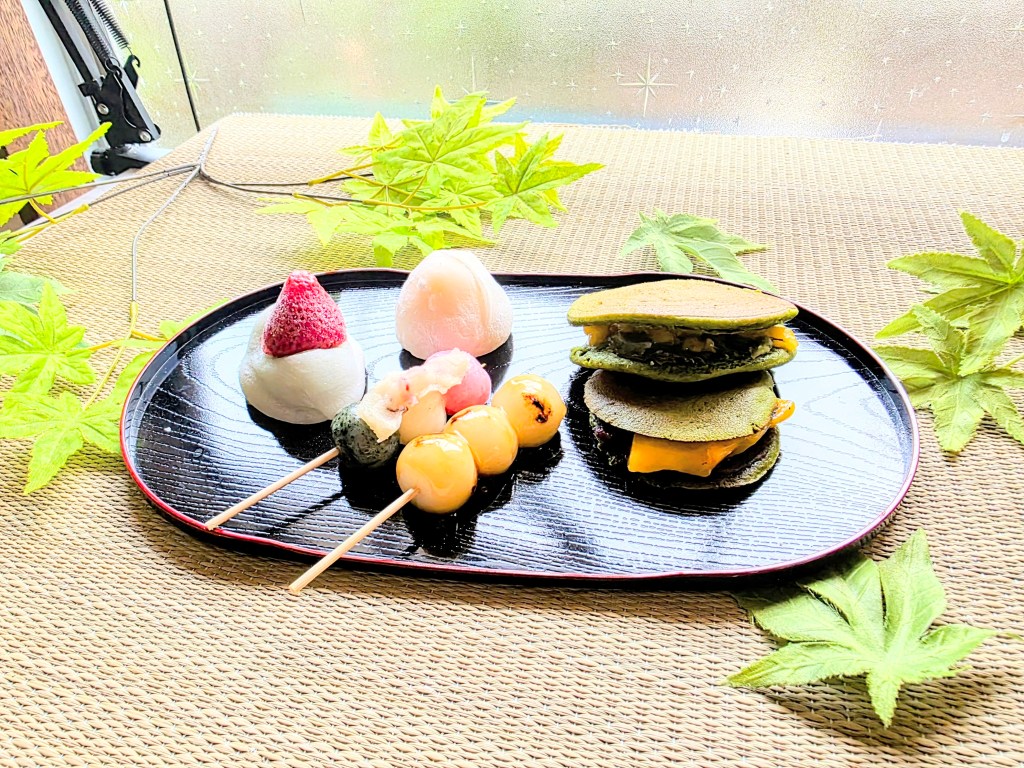
Japan preserves artisan traditions that have been passed down for generations. You can watch pottery being thrown in Bizen, see sword-making demonstrations, or try your hand at making wagashi (traditional sweets). Many workshops welcome visitors for hands-on experiences.
Tea ceremonies offer insight into Japanese aesthetics and philosophy. Even a brief ceremony introduces concepts like wabi-sabi (finding beauty in imperfection) and ichi-go ichi-e (treasuring once-in-a-lifetime encounters).
Culinary Adventures
Food in Japan goes far beyond sushi. Have you tried real ramen at a tiny shop where the chef has perfected one recipe over decades? Tasted tempura so light it practically dissolves on your tongue? Experienced the ritual of shabu-shabu, where you cook paper-thin beef slices in boiling broth?
Must-Try Food Experiences:
- Standing sushi bar for ultra-fresh nigiri
- Department store basement food halls (depachika)
- Local festivals for regional specialties
- Conveyor belt sushi (kaiten-zushi) for casual dining
- Izakaya (Japanese pub) for small plates and drinks
Natural Wonders and Outdoor Activities
Japan's natural beauty deserves as much attention as its cities. Mount Fuji dominates the landscape between Tokyo and Kyoto, visible on clear days and climbable during summer months. The Japanese Alps offer world-class hiking and skiing. And onsen (hot springs) provide relaxation in stunning settings, from snow-covered mountains to coastal cliffs.

Creating Your Perfect Japan Destination Itinerary
How long should you spend in Japan? The honest answer is "as long as possible," but let's be practical. Here's how to structure trips of different lengths.
One Week: The Essential Circuit
With seven days, focus on the Tokyo-Kyoto corridor with possible day trips. Spend three days in Tokyo covering different neighborhoods, three days in Kyoto exploring temples and gardens, and one day in either Nara (for deer and temples) or Osaka (for food and urban energy).
Two Weeks: Regional Exploration
Two weeks lets you add another region or dive deeper into places you've already visited. Consider adding Hokkaido for nature, the Japanese Alps for mountains and traditional villages, or Kyushu for hot springs and volcanic landscapes. The Government of Japan’s travel resources provide helpful planning information for extended trips.
Three Weeks or More: Deep Immersion
With three weeks, you can combine major cities with off-the-beaten-path destinations. Explore the Kyushu region’s volcanic landscapes or venture to rural areas where tourism infrastructure is less developed but cultural authenticity runs deep.
| Trip Length | Recommended Regions | Cities to Include | Special Experiences |
|---|---|---|---|
| 7 days | Kanto + Kansai | Tokyo, Kyoto, Nara | Temple visits, city culture |
| 14 days | Add Hokkaido or Kyushu | Above plus Sapporo or Fukuoka | Nature, hot springs |
| 21+ days | Three or more regions | Multiple cities per region | Rural areas, festivals |
Budget Considerations for Your Japan Destination
Let's talk money. Japan has a reputation for being expensive, and while it's not the cheapest destination, it's more affordable than many people think. Your budget depends largely on your choices regarding accommodation, dining, and activities.
Daily Budget Ranges
Budget travelers can manage on $80-100 per day by staying in hostels, eating from convenience stores and casual restaurants, and using free attractions. Mid-range travelers spending $150-250 daily can afford business hotels, varied dining experiences, and most paid attractions. Luxury travelers who want ryokans, kaiseki meals, and first-class rail travel should budget $400+ daily.
Transportation costs are predictable. Food can range from $3 for excellent convenience store meals to $300+ for high-end sushi. Accommodation varies from $25 hostel beds to $1,000+ luxury ryokan stays. The beauty of Japan as a destination is that quality exists at every price point.
Money-Saving Strategies
Free attractions abound, from shrine visits to public gardens. Convenience stores sell surprisingly good food. Many museums offer free admission days. And walking neighborhoods costs nothing but reveals the everyday Japan that makes travel meaningful.
Making Your Japan Destination Dreams Reality
Planning a trip to Japan involves countless decisions-which cities to visit, how long to stay in each place, which experiences to prioritize, and how to tie everything together into a cohesive itinerary. You're balancing practical logistics with once-in-a-lifetime opportunities, all while trying to understand a culture quite different from your own.
Should you focus on cities or venture into rural areas? Is spring's cherry blossom season worth the crowds? Would your family prefer the structured comfort of guided tours or the freedom of independent exploration? These questions don't have one-size-fits-all answers-they depend on your interests, travel style, and what you hope to gain from your Japan destination experience.
What I love about Japan is how it rewards both careful planning and spontaneous discovery. The temples you stumble upon while lost often become favorite memories. That small restaurant where no one speaks English but everyone makes you feel welcome. The festival you didn't know was happening until you heard drums in the distance.
The official destination guides provide comprehensive information about regions across the country, helping you understand what each area offers. But transforming that information into a personalized itinerary that flows smoothly and maximizes your time requires expertise and attention to detail.
Whether you're drawn to Japan's technological marvels or ancient traditions, its culinary scene or natural beauty, this destination offers experiences that will challenge your assumptions and create lasting memories. The question isn't whether Japan is worth visiting-it absolutely is. The question is how to make your specific Japan journey as meaningful and stress-free as possible.
Japan's blend of ancient culture, modern innovation, natural beauty, and exceptional hospitality makes it an unforgettable destination for any traveler. With so many regions to explore and experiences to choose from, creating the perfect itinerary requires thoughtful planning and local expertise. Travel with Sarah can help you navigate the options, compare accommodations and tours, and design a personalized Japan experience that matches your vision-all without the overwhelm of doing it alone. Let's start planning your dream trip to Japan today.
Leave a Reply