




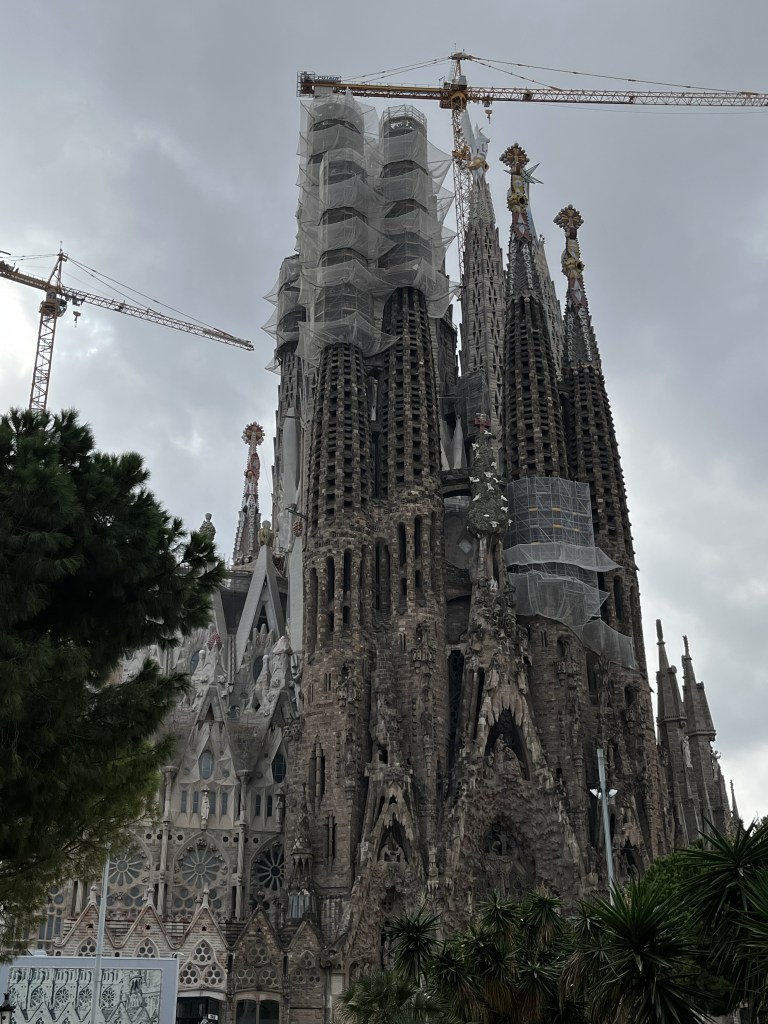

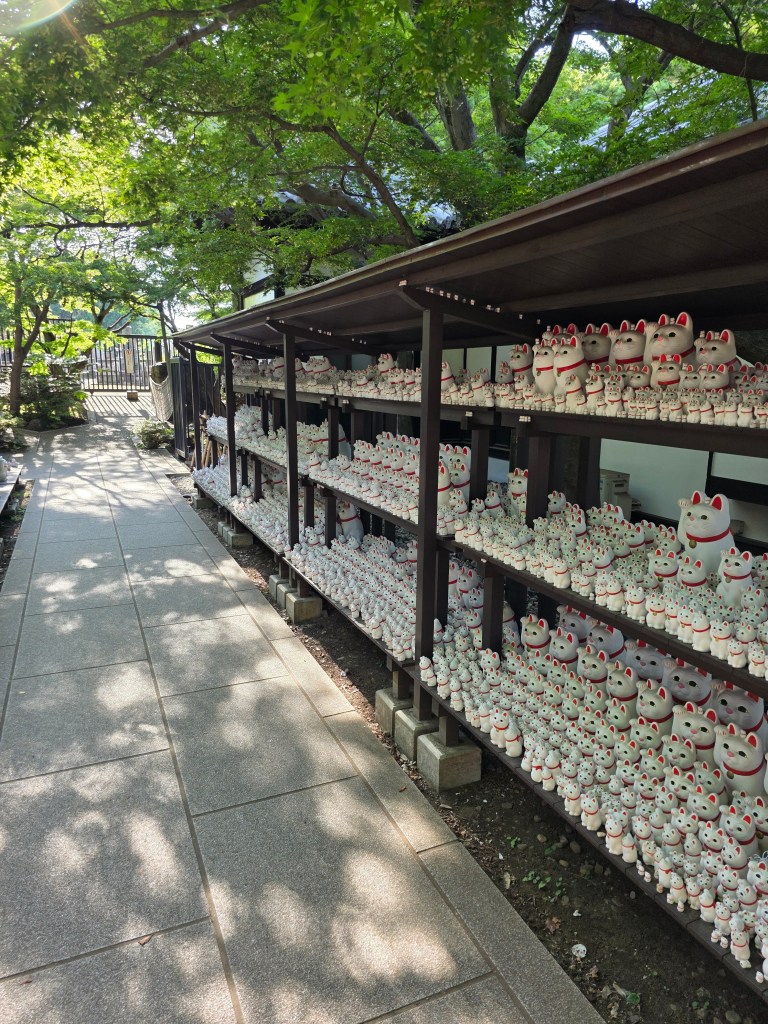









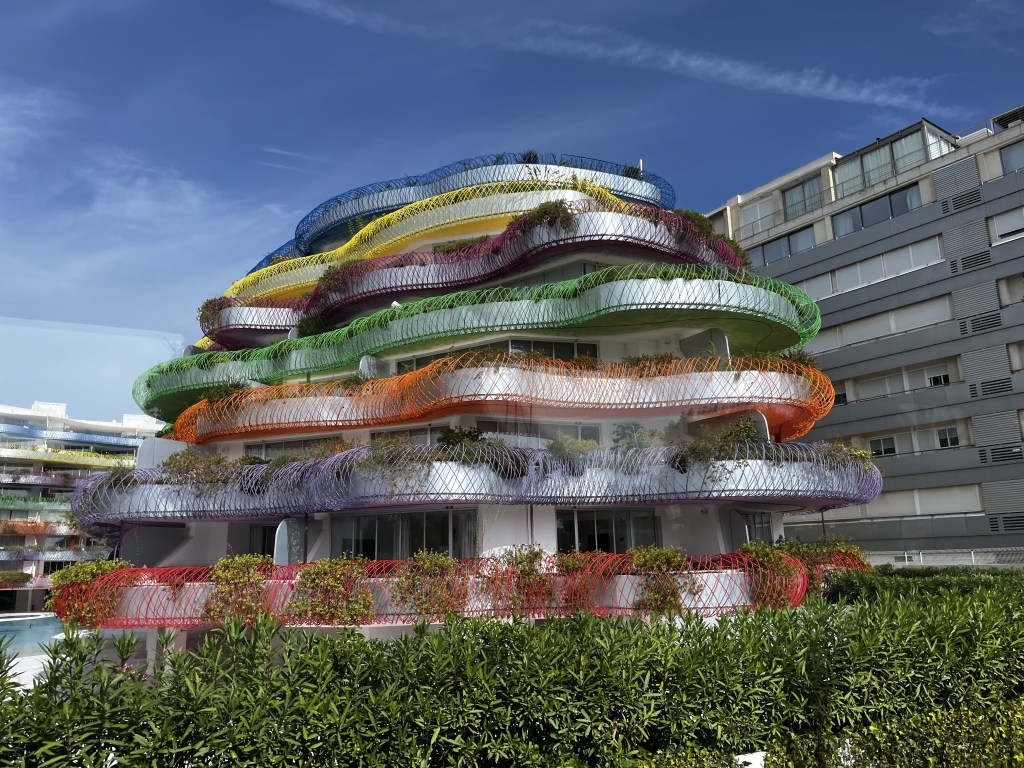


Planning a European adventure can feel overwhelming when you're staring at a map with dozens of incredible destinations. Between deciding which cities to visit, figuring out transportation, and creating a timeline that doesn't leave you exhausted, building the perfect european itinerary requires thoughtful strategy and local expertise. Whether you're planning your first trip across the Atlantic or returning to explore new corners of the continent, a well-designed itinerary transforms your vacation from stressful to spectacular.
Understanding Your European Travel Style
Before selecting destinations or booking flights, you need to identify what kind of European experience resonates with you and your travel companions.
Different travelers want different things:
- Art and museum enthusiasts gravitate toward Paris, Florence, and Amsterdam
- History buffs find themselves drawn to Rome, Athens, and Berlin
- Foodies plan trips around Lyon, San Sebastian, and Bologna
- Adventure seekers head to the Swiss Alps, Scottish Highlands, or Norwegian fjords
- Beach lovers prioritize the Greek Islands, Amalfi Coast, or Croatian coastline
Your travel style also determines your pace. Some visitors prefer spending four nights in each city to truly absorb the local culture, while others enjoy seeing more destinations with shorter stays. Neither approach is wrong, but understanding your preference before you start planning saves considerable frustration later.
Timing Matters More Than You Think
The season you choose dramatically impacts your european itinerary experience. Summer brings warm weather and long days, but also massive crowds and premium prices. Shoulder seasons in spring and fall offer pleasant weather with fewer tourists and better value.
Winter opens different opportunities entirely. Christmas markets transform German cities into magical experiences, while ski resorts across the Alps reach their peak. However, some Mediterranean destinations essentially close for the season, with reduced ferry schedules and shuttered restaurants.

Creating Your Geographic Strategy
Geography plays a crucial role in building an efficient european itinerary. Europe might seem compact compared to the United States, but distances add up quickly, and travel time eats into your vacation days.
When planning your first European trip, choosing destinations that connect logically prevents backtracking and reduces transportation stress. Consider these proven regional combinations:
| Region | Ideal Cities | Travel Time Between |
|---|---|---|
| Western Loop | London, Paris, Amsterdam | 2-4 hours by train |
| Mediterranean Circuit | Barcelona, Nice, Rome | 4-6 hours by flight/train |
| Central Europe | Prague, Vienna, Budapest | 3-5 hours by train |
| Nordic Adventure | Copenhagen, Stockholm, Oslo | 3-6 hours by various transport |
| Iberian Peninsula | Madrid, Barcelona, Lisbon | 3-7 hours by train/flight |
Most first-time visitors underestimate travel days. A "quick" train journey consumes half a day when you factor in hotel checkout, getting to the station, the journey itself, finding your new hotel, and settling in.
The Hub-and-Spoke Approach
Instead of constantly packing and unpacking, consider basing yourself in one city for 4-5 nights and taking day trips. This strategy works brilliantly in several European locations:
Florence serves as an excellent Tuscany base with easy access to Siena, Pisa, and the Chianti wine region. You maintain one hotel while experiencing multiple destinations.
Paris offers day trip potential to Versailles, Giverny, or the Champagne region without the hassle of changing accommodations.
Barcelona provides access to Montserrat, Girona, and Mediterranean coastal towns while keeping your base stable.
This approach particularly benefits families with children or travelers who prefer a slower pace without sacrificing variety.
Building Your 7 to 14-Day European Itinerary
The length of your trip determines realistic destination counts. First-time visitors often benefit from focused itineraries that prioritize depth over breadth.
Seven-Day European Itinerary Framework
One week provides enough time for 2-3 cities maximum. Here's a realistic breakdown:
- Days 1-3: Arrive in your primary city (London, Paris, or Rome typically)
- Day 4: Travel to second destination
- Days 5-6: Explore second city
- Day 7: Departure day (limited sightseeing)
This pacing allows you to actually experience each destination rather than just checking boxes. You'll have time for unexpected discoveries, leisurely meals, and adjusting to jet lag without feeling rushed.
Ten-Day European Itinerary Structure
Ten days opens possibilities for 3-4 cities with comfortable pacing:
- Option 1: London (3 nights) → Paris (3 nights) → Amsterdam (3 nights)
- Option 2: Rome (3 nights) → Florence (3 nights) → Venice (3 nights)
- Option 3: Barcelona (3 nights) → French Riviera (3 nights) → Rome (3 nights)
Notice each destination receives at least three nights. This provides two full days of exploration, accounting for arrival and departure half-days.
Fourteen-Day European Itinerary Possibilities
Two weeks allows for more ambitious planning, but resist the temptation to pack in too much. Strategic route planning prevents exhaustion while maximizing experiences.
Grand Tour Approach:
- London (3 nights)
- Paris (4 nights)
- Swiss Alps (3 nights)
- Florence (3 nights)
Mediterranean Focus:
- Barcelona (3 nights)
- French Riviera (3 nights)
- Rome (4 nights)
- Amalfi Coast (3 nights)
Both itineraries include built-in flexibility for weather, energy levels, and spontaneous discoveries.

Transportation Between Destinations
Your transportation choices significantly impact both your budget and experience quality. Each option offers distinct advantages depending on your specific european itinerary.
High-Speed Train Networks
European trains provide comfortable, city-center-to-city-center service that eliminates airport hassles. The journey itself becomes part of the experience as countryside views unfold outside your window.
Major rail routes worth considering:
- Paris to London: Eurostar through the Channel Tunnel (2 hours 15 minutes)
- Paris to Amsterdam: Thalys high-speed service (3 hours 20 minutes)
- Rome to Florence: Frecciargento trains (1 hour 30 minutes)
- Madrid to Barcelona: AVE high-speed trains (2 hours 30 minutes)
- Munich to Vienna: Railjet service (4 hours)
Purchase tickets 2-3 months in advance for significant savings. Many European rail passes seem convenient but cost more than point-to-point tickets for most itineraries.
Budget Airlines Strategy
Low-cost carriers like Ryanair, EasyJet, and Vueling connect European cities for remarkably low fares. However, budget airlines require strategic planning:
Understanding the real costs:
- Base fares exclude checked bags, seat selection, and priority boarding
- Airports often sit far outside city centers, requiring additional time and expense
- Strict carry-on restrictions and early check-in requirements
- Travel time includes getting to/from airports on both ends
Despite these considerations, flights make sense for longer distances like London to Rome or Barcelona to Prague where train journeys would consume entire days.
Rental Car Considerations
Driving works beautifully in certain European regions but creates headaches in major cities. Consider cars for:
- Tuscany countryside explorations
- Provence village-hopping
- Scottish Highlands adventures
- Croatian coastal routes
Avoid driving in London, Paris, Rome, or Barcelona where parking costs astronomical amounts and traffic creates stress rather than enjoyment. Comprehensive transportation planning resources help visualize connections between destinations.
Accommodation Strategy for Your European Itinerary
Where you sleep affects your entire vacation experience. Beyond finding good rates, location determines how much time you spend commuting to attractions.
Accommodation priorities in order of importance:
- Location: Central neighborhoods save hours daily
- Reviews: Recent guest feedback reveals current conditions
- Amenities: WiFi, breakfast, air conditioning matter differently by season
- Price: Balance cost against location and quality
Book accommodations when you book flights, especially during peak summer months. Popular properties in Venice, Santorini, or the Amalfi Coast sell out months in advance.
Neighborhood Selection Matters
Every European city has neighborhoods that put you in the heart of the action versus areas requiring lengthy commutes. A few examples:
| City | Ideal Neighborhoods | Areas to Avoid |
|---|---|---|
| Paris | Marais, Latin Quarter, Saint-Germain | Far outer arrondissements |
| Rome | Trastevere, Monti, near Spanish Steps | Far from metro lines |
| Barcelona | Gothic Quarter, Eixample, Gràcia | Airport area, industrial zones |
| Amsterdam | Jordaan, De Pijp, Canal Ring | Far from central station |
Paying 20-30% more for a central location typically saves that amount in transportation costs while adding hours to your sightseeing time.

Balancing Activities and Downtime
The most common mistake in european itinerary planning is cramming too many activities into each day. Your vacation should refresh you, not require another vacation afterward.
Realistic Daily Planning
A sustainable daily rhythm includes:
Morning (9:00 AM – 12:30 PM):
- One major museum or attraction
- Coffee break to process and rest
Afternoon (2:00 PM – 5:00 PM):
- Neighborhood exploration or secondary sight
- Lunch lasting 1-2 hours (this is Europe, after all)
Evening (6:00 PM – 10:00 PM):
- Dinner and evening stroll
- Optional concert, show, or sunset viewpoint
This pacing allows for spontaneous discoveries while preventing burnout. Building in flexibility means you can linger in places that captivate you rather than rushing to check off every item.
Rest Days and Laundry Reality
On trips longer than 10 days, schedule a rest morning or afternoon. Sleep in, do laundry, find a park, or simply sit in a café watching local life unfold.
These moments often become favorite memories because they allow genuine connection with a place rather than just photographing monuments.
Budget Planning for Your European Adventure
European travel costs vary dramatically by destination, season, and travel style. Creating a realistic budget prevents financial stress from undermining your enjoyment.
Daily Budget Estimates by Destination Type
Budget-Friendly Cities (€80-120 per person daily):
- Prague, Budapest, Krakow, Porto
- Hostels or budget hotels, street food, free attractions, public transport
Mid-Range Cities (€150-200 per person daily):
- Barcelona, Berlin, Vienna, Edinburgh
- 3-star hotels, mix of restaurants, major attractions, some taxis
Premium Cities (€250-350+ per person daily):
- London, Paris, Amsterdam, Zurich
- Quality hotels, nice restaurants, museums, convenient transport
These estimates include accommodation, meals, attractions, and local transportation but exclude flights and shopping.
Money-Saving Strategies That Actually Work
Smart planning reduces costs without sacrificing experience quality:
- Book accommodations with breakfast included to save €15-25 daily while starting mornings efficiently
- Purchase museum passes when visiting 3+ attractions in cities like Paris or Rome
- Eat lunch as your main meal when restaurants offer fixed-price menus at half the dinner cost
- Walk extensively to discover neighborhoods while saving metro fares
- Shop at local markets for picnic supplies instead of eating every meal in restaurants
Budget-conscious itinerary templates demonstrate how strategic choices maintain quality while controlling costs.
Special Considerations for Different Traveler Types
Your european itinerary needs customization based on who's traveling.
Family Travel Adjustments
Traveling with children requires modified pacing and different attractions. Successful family itineraries include:
Kid-friendly elements:
- Parks and playgrounds between museums
- Gelato breaks as transition rewards
- Interactive museums over art galleries
- Beach or pool time in warm destinations
- Earlier dinners at family-friendly restaurants
Practical necessities:
- Accommodations with family rooms or adjoining spaces
- Laundry facilities for longer trips
- Proximity to grocery stores for snacks
- Stroller-friendly neighborhoods
- Emergency medical facility locations
Families benefit from staying in apartments rather than hotels, providing space for children to decompress and kitchens for familiar breakfasts.
Couples and Romantic Getaways
Romantic european itinerary planning emphasizes intimate experiences and special moments:
- River cruises along the Seine, Danube, or Rhine
- Wine tasting in Tuscany, Bordeaux, or Douro Valley
- Sunset viewpoints in Santorini, Paris, or Barcelona
- Cooking classes to learn regional cuisine together
- Boutique hotels in historic neighborhoods
Couples can handle faster pacing than families but still benefit from balancing activity with relaxation.
Group Travel Coordination
Planning for friends or extended family groups requires additional organization:
Group logistics:
- Accommodations large enough for everyone or in close proximity
- Transportation that moves the entire group efficiently
- Restaurant reservations for larger parties (essential in Europe)
- Activities with group discounts or private tours
- Free time for individuals to explore separate interests
Successful group trips designate one person as primary planner to prevent decision-making paralysis.
Practical Planning Timeline
Creating your european itinerary works best when approached systematically rather than all at once.
6-8 Months Before Departure
Initial planning phase:
- Determine travel dates and duration
- Identify primary destinations and regions
- Research visa requirements and passport validity
- Set preliminary budget
- Begin monitoring flight prices
3-4 Months Before Departure
Booking phase:
- Purchase flights when prices drop
- Reserve accommodations in popular destinations
- Research train schedules and book major routes
- Identify must-see attractions requiring advance tickets
- Consider travel insurance options
1-2 Months Before Departure
Detailed planning phase:
- Create daily rough itineraries with flexibility
- Make dinner reservations for special meals
- Book popular museum tickets and tours
- Download offline maps and translation apps
- Notify credit card companies of travel dates
- Research local customs and basic phrases
Two Weeks Before Departure
Final preparations:
- Print or save digital copies of all confirmations
- Check weather forecasts for packing guidance
- Arrange airport transportation
- Download entertainment for flights
- Confirm accommodation check-in times
This timeline prevents last-minute panic while allowing flexibility to capitalize on deals or changing circumstances. Expert planning guides provide additional destination-specific preparation details.
Working With a Travel Advisor
Many travelers assume european itinerary planning must be a solo endeavor, but professional guidance often enhances the experience while reducing stress.
Benefits of professional planning assistance:
- Access to industry rates and exclusive amenities
- Expert knowledge of seasonal considerations
- Problem-solving when issues arise during travel
- Time savings through efficient research and booking
- Personalized recommendations based on your preferences
- Coordination of complex multi-city arrangements
A travel advisor with European expertise understands which hotels offer the best locations, which restaurants require reservations months in advance, and how to structure your days for optimal enjoyment without exhaustion.
The healthcare background that informs exceptional client care translates perfectly to travel planning. The same attention to detail that ensures medical accuracy applies to confirming hotel locations, verifying train schedules, and double-checking travel document requirements.
Professional planning proves particularly valuable for first-time European travelers who lack familiarity with the continent's geography, transportation systems, and seasonal patterns. The investment in planning services typically pays for itself through better hotel rates, optimized routing, and avoided mistakes.
Building the perfect european itinerary requires balancing ambition with realism, excitement with rest, and planning with spontaneity. By understanding your travel style, choosing destinations strategically, and pacing your days sustainably, you'll create memories that last a lifetime rather than exhaustion that requires recovery. If you're ready to design a European adventure that matches your dreams without the overwhelm of planning every detail yourself, Travel with Sarah provides personalized guidance that transforms your vision into a confident, well-organized reality that lets you focus on the excitement of your upcoming journey.
Leave a Reply